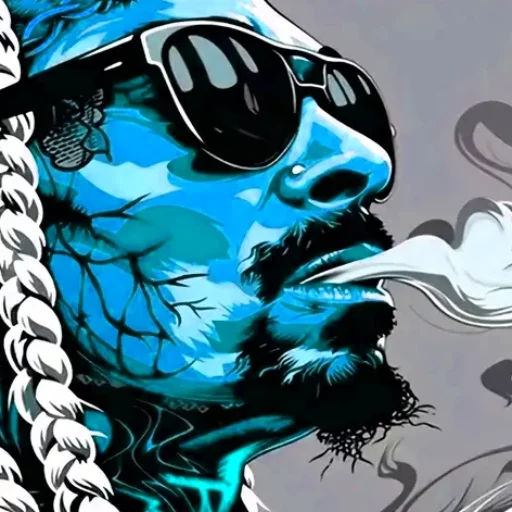
Spotify music promotion is not just about getting somebody to press play. If a listener lands on your record and the experience looks generic, you are wasting part of the moment. Canvas gives you a 3–8 second vertical visual loop inside Spotify’s Now Playing view, and for independent rap artists, that little screen can do real branding work.
The point is not to make a mini music video. The point is to make the record feel like it belongs to a world.
Canvas Is Your Visual Tag
A lot of upcoming artists still treat Spotify like a file cabinet: cover art, song title, done. That is outdated. The strongest artists make every platform feel connected. The TikTok clip, cover art, visualizer, show flyer, photos, and Spotify page should all look like they came from the same campaign.
Spotify says Canvas is a short vertical loop that replaces static album art in the mobile Now Playing view. You can add one to released tracks and upcoming releases. That means you can build the visual identity before the song drops instead of scrambling after release day.
For rap, the best Canvas usually does one thing well: it gives the track an instantly recognizable texture. Grainy camcorder footage. A looping street shot. A detail from the cover art moving. Studio footage. A character, symbol, location, or color treatment that keeps showing up across the rollout.
You want somebody to see two seconds and know whose world they are in.
Stop Trying to Fit a Whole Video Into Eight Seconds
Spotify’s Canvas guidelines say to avoid turning the loop into a chopped-down music video. Canvas has no synced audio of its own, and Spotify recommends avoiding clips that depend on talking, singing, or rapping because the timing will not line up.
That is actually good news. It forces you to think visually.
Try movement that feels hypnotic instead of explanatory. A slow camera push. Smoke crossing frame. Jewelry catching light. A car interior at night. A repeated hand gesture. Something simple enough to loop without looking broken.
Rap artists already understand visual codes. The mistake is saving all of them for the official video.
Build One Visual System for the Whole Drop
Do not make the Canvas in isolation. Build it from the same footage you are already shooting for TikTok, Reels, Shorts, cover art motion, and teaser posts.
Shoot vertical first. Get ten or fifteen clean moments while you are already filming content. Then turn the best few into loops. Spotify recommends a vertical 9:16 format and a 3–8 second duration, so you do not need a giant production.
This is where small artists can move fast. If one visual starts connecting on TikTok, bring that same visual language into Spotify. If a new meme, character, color treatment, or scene becomes associated with the song, update the Canvas so the streaming experience matches what fans are seeing elsewhere.
Make Sharing Look Better
Canvas is not trapped inside Spotify. Spotify says that when listeners share a track with Canvas to Instagram Stories, the loop can appear behind the track information with a link back to Spotify.
That matters because sharing is part of the promotion loop. A plain song card is functional. A strong moving visual can feel like content.
Think about the screenshot test: if a random fan shares your song to Stories with the sound off, does the visual still look like your brand? If not, the Canvas is probably too generic.
Match the Loop to the Energy of the Record
Do not use the same visual language for every song. A rage record should not look like a sleepy R&B loop. A dark drill track should not get a bright lifestyle clip just because that is what you had on your phone.
For a hard track, use motion, contrast, and attitude. For something introspective, slow it down. For melodic rap, atmosphere may matter more than performance. For club records, repetition can make the loop feel physical.
You are not explaining the song. You are increasing the feeling.
Change the Canvas When the Campaign Changes
One underrated move is updating your Canvas later. Spotify says artists can change Canvas over time. Use that. Release week does not have to look like week six.
At launch, the Canvas might match the main artwork. Later, it could use a fan-favorite scene from the video. If a creator trend takes off, use imagery connected to that moment. A song can have multiple promotional waves, and the visual can move with them.
Do Not Confuse Visuals With Demand
A Canvas cannot save a record nobody cares about. It is not a cheat code for streams. The real campaign still comes from repeated exposure: short-form content, creator placement, playlists, fan sharing, collaborations, live performance, direct outreach, and smart release timing.
If you are already driving listeners to the platform, SupremePR’s Spotify promotion options can help build more reach around the release. The smartest setup is not promotion or branding. It is both. Get the song in front of people, then make the destination look like an artist worth remembering.
Your Song Needs a World, Not Just a Link
Young artists spend crazy amounts of energy trying to get the click and almost none thinking about what happens after the click.
Fix that. When somebody lands on your song, the cover, Canvas, artist profile, visuals, and rollout should feel connected. That is how a random stream starts turning into recognition.
In 2026, Spotify music promotion is not just about being heard. It is about being remembered after the song stops.